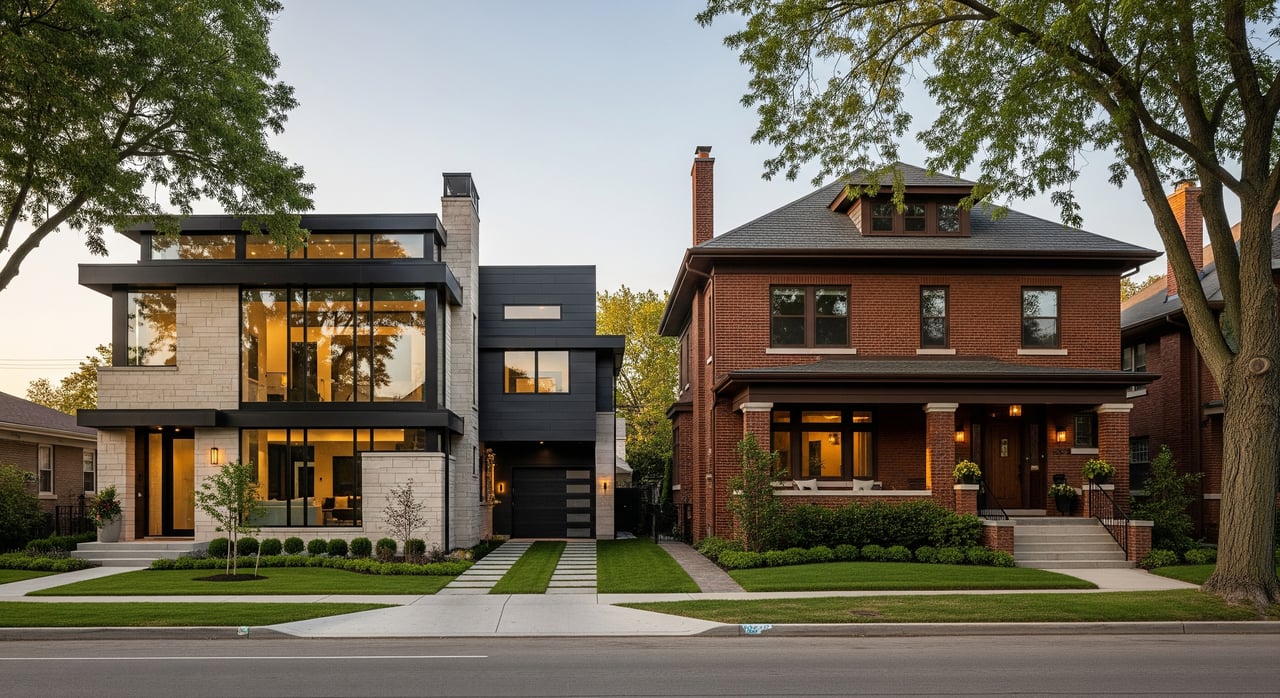
Trying to decide between a new build and a resale home around Indianapolis? You want a place that fits your budget, timeline, and daily life, not just a pretty listing. In this guide, you’ll see how costs, timing, warranties, and location play out across Marion County and the surrounding suburbs. You’ll also get real-world scenarios to help you pick the best path. Let’s dive in.
New vs resale: quick overview
Buying a resale home usually moves faster. If your financing is in place, many purchases close in about 30 to 45 days. New construction can take months depending on whether you choose a move-in-ready spec home, a to-be-built plan, or a custom build.
New homes tend to list at a premium. You pay for new materials, modern layouts, and builder profit. Resale prices may be lower, but you should plan for updates or maintenance based on the home’s age and condition.
Location often drives the decision. New builds cluster in developing suburbs on the edges of the metro. Resales dominate established neighborhoods closer to downtown. Your commute and lifestyle preferences matter here.
Protections differ. New construction usually includes a builder-backed warranty. Resales rely on inspections, disclosures, and any negotiated repairs or a short-term home warranty you purchase.
Total cost: beyond price
Purchase price components
- New construction
- Base price plus lot premium for preferred locations within the community.
- Mandatory and optional upgrades for finishes, cabinets, flooring, and lighting.
- Landscaping, driveway details, and any model-home premiums if applicable.
- Resale
- Listing price with room for negotiation depending on condition and market.
- Pricing often reflects age, updates, and deferred maintenance.
Soft costs after closing
- New construction
- Window treatments, garage door openers, exterior plantings, and yard establishment.
- Security systems, fencing, sheds, or other accessories not included by default.
- Possible HOA initiation fees in new subdivisions.
- Resale
- Immediate repairs or updates like roof, HVAC, windows, or electrical.
- Targeted remodeling such as kitchens or baths.
- Pest or environmental remediation for older homes when needed.
Operating costs
- Energy efficiency is often stronger in new homes thanks to modern insulation, HVAC, and windows, which can reduce initial utility bills.
- Property taxes depend on assessed value and local rates. New construction assessments may rise after completion. For resales, assessments reflect current market values and local policies.
- Insurance costs vary by coverage, age, and replacement value. New homes may have fewer claims early on.
Negotiation levers
- New construction
- Builder incentives like closing cost credits, rate buydowns, or appliance packages are common.
- Direct price cuts can vary by market conditions, but negotiating lot premiums, upgrades, or timing can be effective.
- Resale
- Price reductions, seller-paid closing costs, and repair credits are frequently negotiated.
Timeline and process
Resale path
- Typical steps include offer, inspection contingency, appraisal, underwriting, and closing.
- Many financed deals close in about 30 to 45 days when there are no complications.
- You can negotiate inspections, repairs, or credits to address issues.
New construction paths
- Spec or inventory homes can close in 30 to 90 days if they are finished.
- To-be-built production homes typically need several months after contract. A common range is about 3 to 9 months, depending on builder schedules and weather.
- Custom builds can extend to 9 to 18 months or longer.
- Construction can be delayed by supply chains, permitting, weather, or subcontractor schedules.
- Many builders include staged inspections and walkthroughs with defined repair scopes rather than broad renegotiations.
Financing and closing
- New construction may use a builder-affiliated lender or a construction-to-permanent loan. Some buyers opt for separate construction and permanent loans.
- Resales typically use standard purchase mortgages.
- Certificates of occupancy must be in place for new homes before closing in many jurisdictions.
Warranties and protections
New-home warranty structure
- Most builders offer tiered coverage, typically including:
- About 1 year for workmanship and materials.
- Around 2 years for major systems like electrical, plumbing, and HVAC.
- Up to 10 years for structural coverage.
- Coverage and exclusions vary, so review the warranty in writing. Cosmetic wear, normal settling, and routine maintenance are usually not covered.
Resale protections
- Seller disclosures, a home inspection contingency, and negotiated repairs or credits are your main protections.
- You can also purchase a short-term home warranty for added peace of mind after closing.
Inspections still matter
- Even on new construction, schedule independent inspections such as pre-drywall and final walkthrough inspections. This helps catch issues early and creates documentation for any warranty claims.
Location and commute tradeoffs
Where new builds cluster
- New construction is common in suburbs such as Carmel, Fishers, Noblesville, Westfield, Greenwood, Franklin, Plainfield, Avon, and Brownsburg, along with pockets in Boone, Hamilton, Hendricks, Hancock, and Johnson counties.
- Many new subdivisions include HOAs, community amenities, and architectural guidelines.
Where resale inventory leads
- Established neighborhoods closer to downtown Indianapolis typically offer more resale choices. Examples include Meridian-Kessler, Broad Ripple, Fountain Square, Old Northside, Irvington, and older suburbs like Beech Grove, Speedway, and parts of Lawrence.
- These areas may offer walkability, mature trees, and shorter drives to downtown depending on your route.
Commute and transit basics
- The I-465 beltway and interstates I-65, I-69, I-70, and I-74 are primary commuter routes, with congestion varying by time of day and direction.
- IndyGo offers bus service and bus rapid transit on limited routes. Most commuters use private vehicles.
HOA and zoning notes
- New developments often include HOAs and covenants. Established neighborhoods may or may not have HOAs and can include historic overlays with design standards.
Which fits your needs?
Scenario A: Move in within 60 to 90 days
- Likely fit: Resale.
- Why: Faster closing and broader options near employment centers.
- Tips: Get preapproved, include an inspection contingency, and verify commute times during peak hours.
Scenario B: Want brand-new finishes and efficiency
- Likely fit: New construction.
- Why: Modern layouts, energy-efficient systems, and builder warranties.
- Tips: Budget for upgrades and lot premiums, confirm warranty details, and review the timeline and incentives in writing.
Scenario C: Tight budget and established neighborhood
- Likely fit: Resale.
- Why: Lower entry price in many cases with the option to renovate over time.
- Tips: Price out key updates, consider renovation loan options, and prioritize inspections for the big systems.
Scenario D: Need space, yard, and amenities
- Likely fit: New suburban build.
- Why: Larger lots, newer infrastructure, and community amenities like trails or pools.
- Tips: Test your commute, review HOA rules, confirm school boundaries, and plan for potential delivery delays.
Scenario E: VA, FHA, or special financing
- Likely fit: It depends.
- Why: VA and FHA loans can work for both new builds and resales, but new construction may require extra approvals.
- Tips: Loop in your lender early to confirm eligibility and timelines.
Smart next steps
- Clarify budget and get preapproved before touring.
- Compare total cost of ownership over the first 3 to 5 years, not just list price. Include upgrades, maintenance, utilities, property taxes, and potential renovations.
- Drive your likely commute during rush hour and test routes to work, school, and daily errands.
- Review HOA documents, covenants, and any historic or design rules.
- For new builds, get the construction schedule, inspection stages, and warranty in writing.
- Schedule independent inspections even for brand-new homes.
Ready to find the right fit around Indianapolis? Talk with the Jeff Paxson Team for local guidance on neighborhoods, timelines, and total costs. If you are also selling, ask about our transparent 4.5% listing structure and get your Free Home Valuation.
FAQs
What are the main cost differences between new and resale homes in Indianapolis?
- New homes include base price, lot premiums, and upgrades, plus post-closing items like window coverings and landscaping. Resales can cost less upfront but may need repairs or updates.
How long does a typical resale purchase take to close?
- Many financed resale transactions close in about 30 to 45 days, assuming a smooth inspection, appraisal, and underwriting process.
What timelines should I expect for new construction?
- Spec homes can close in 30 to 90 days if finished. To-be-built production homes often take 3 to 9 months, while custom builds can extend to 9 to 18 months or more.
Do new homes come with warranties, and what do they cover?
- Most include tiered coverage such as about 1 year for workmanship, roughly 2 years for systems, and up to 10 years for structural issues. Read the warranty for exact terms and exclusions.
Should I get an inspection on a brand-new home?
- Yes. Independent pre-drywall and final inspections help catch issues early and create documentation for warranty claims.
How do location and commute differ between new builds and resales in Indy?
- New builds cluster in growing suburbs, while resales dominate established neighborhoods near downtown. Your commute will depend on proximity to I-465 and major interstates and your typical travel times.
What hidden costs should I plan for with new construction?
- Common items include upgrades, window treatments, yard establishment, fencing, and possible HOA initiation fees. Also plan for temporary housing or storage if construction is delayed.