Is an invisible gas putting your Hill Valley home at risk? Radon is common across Indiana, and you cannot see or smell it. If you are buying or selling in Hill Valley, you want to avoid last‑minute surprises during inspection and protect your health and budget. In this guide, you will learn when to test, how to read results, what Indiana requires, what mitigation costs, and where to find trusted local help. Let’s dive in.
Radon basics in Hill Valley
Radon is a colorless, odorless radioactive gas that comes from soil and can enter your home through foundation openings. Long‑term exposure is a leading cause of lung cancer after smoking, and testing is the only way to know your levels. The American Lung Association explains the risk and why every home should be tested. You can learn more on the Indiana radon page.
The U.S. EPA sets an action level of 4.0 pCi/L to fix a home, and it advises considering mitigation for results between 2.0 and 4.0 pCi/L. Indiana has medium to high radon potential, and many counties, including Marion County, are in higher‑risk zones. See the EPA radon zone map and action level guidance. Locally, the Marion County Public Health Department offers education and may provide free or low‑cost test kits, which is a great starting point for Hill Valley homeowners. Check the Indoor Air Quality program.
Test options and timing
Choose the right test
- Short‑term tests run 2 to 90 days and are common during real estate inspections. Long‑term tests run more than 90 days and better reflect year‑round averages. See device types and when to use them at National Radon Program Services.
Place tests correctly
For the most accurate reading, test the lowest lived‑in level, like a finished basement or the lowest floor you use. Place the device about 20 inches above the floor, away from drafts, doors, windows, exterior walls, and humid areas. For short‑term tests, start closed‑house conditions about 12 hours before and keep them during the test. Follow kit instructions and the EPA placement guidance.
Timing in a real estate deal
If you are buying, request a documented test during your inspection period. Ask for prior results if they exist, and consider a new test if the old one is more than two years old or the lowest living area has changed. The EPA outlines retesting guidance for different situations on its page about how often to test or retest.
If you are selling, consider testing before you list so buyers see recent results and you avoid delays. Indiana sellers must disclose known radon information but are not required to test. The state’s Seller’s Residential Real Estate Sales Disclosure form covers hazardous conditions like radon. Review the disclosure statute at Indiana Code 32‑21‑5‑10.
Read your results
- Below 2.0 pCi/L: This is generally considered low. Retest every few years or after major renovations that change airflow.
- 2.0 to 3.9 pCi/L: Consider a follow‑up test. A long‑term test gives a better year‑round picture. Many buyers choose to mitigate in this range.
- 4.0 pCi/L or higher: Plan to mitigate and confirm with a follow‑up test. The EPA action level guidance recommends fixing the home.
Indiana rules and choosing professionals
Sellers must disclose known radon information on the state form before accepting an offer, which is different from a requirement to test. Buyers often include a radon test in the inspection contingency and may request a new test if prior results are old or undocumented. When you hire help, use Indiana‑certified testers and mitigators listed by the Department of Health. Find the state’s certified lists here: Indiana radon testers and mitigators.
For professional tests during a transaction, certified pros often use continuous monitors and follow recognized standards. Ask your pro to document test conditions, chain of custody, and the specific floor tested.
Mitigation and costs in Marion County
Common systems and performance
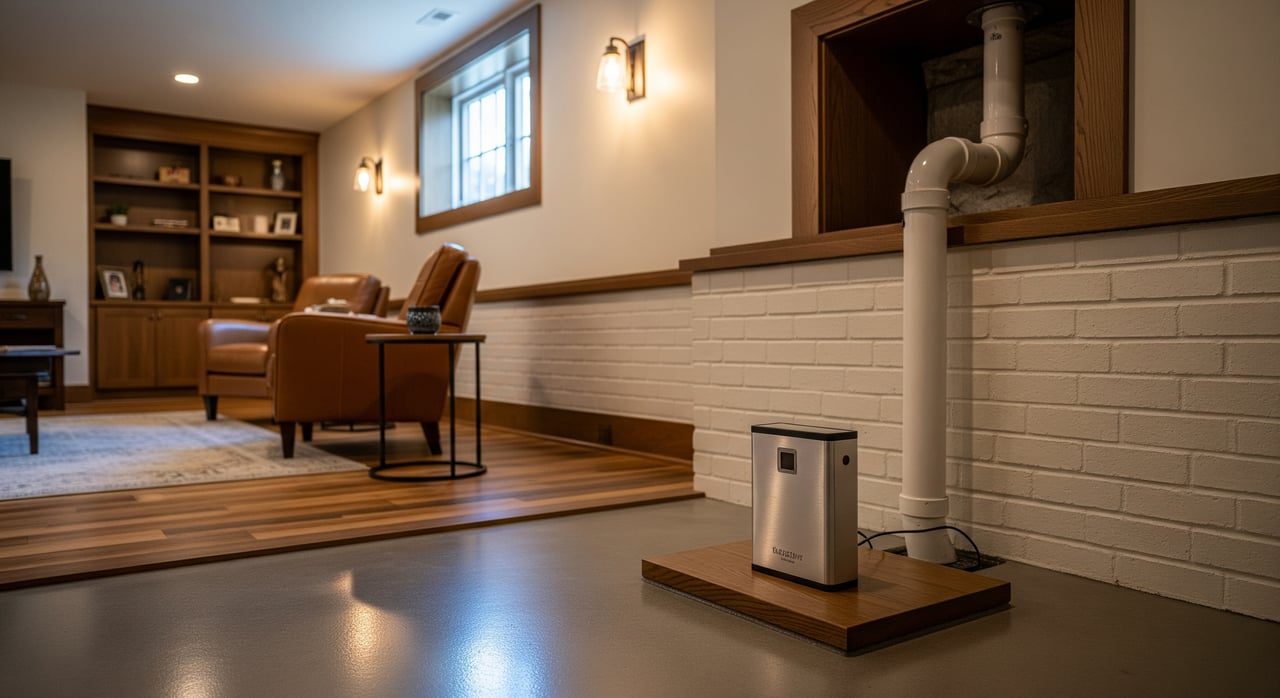
The most common and effective fix for slab or basement homes is active sub‑slab depressurization, which draws soil gas from beneath the foundation and vents it above the roof. Other methods include sealing major openings, adding vapor barriers in crawlspaces, and improving ventilation. The EPA explains common approaches in its guide to radon‑resistant and mitigation strategies. Properly designed systems often reduce levels by large percentages. Always retest after installation to confirm results.
Cost expectations
Most single‑family mitigations fall in the range of about 1,000 to 2,500 dollars, depending on foundation type, home size, and complexity. Fans typically last many years and may need replacement over time. The EPA outlines typical costs and maintenance expectations in its overview of radon mitigation costs.
What to require in a contract
Ask for a written warranty, the performance target in writing, and photos or drawings of the system layout. Require a post‑installation retest by a certified tester or lab and keep the written results for your records.
Hill Valley action plan
Sellers
- Complete Indiana’s disclosure honestly and provide copies of any prior tests.
- Consider a pre‑listing test so buyers see current results and you keep the deal on schedule.
- If mitigation is needed, get two written bids and confirm the performance target in your contract.
Buyers
- Include radon testing in your inspection contingency and request a certified test.
- If results are elevated, negotiate mitigation or a credit, then retest after installation.
- Check the state list when selecting a tester or mitigator: Indiana certified radon pros.
Local resources
- Explore free or low‑cost kits and support through the Marion County Public Health Indoor Air Quality program.
- For device types and best practices, review National Radon Program Services guidance.
If you are planning a move in Hill Valley or weighing inspection decisions, we can help you time testing, interpret results, and structure clean negotiations. Connect with the Jeff Paxson Team for local guidance that keeps your transaction on track.
FAQs
What is radon and why test in Hill Valley?
- Radon is a radioactive gas from soil that can enter homes, and Indiana has medium to high potential, so testing every Hill Valley home is recommended per the EPA’s guidance.
When should a Hill Valley home be tested in a sale?
- Test during the inspection period with a certified pro, and ask for prior results; consider a new test if results are older than two years or conditions changed, per EPA retesting guidance.
Do Indiana sellers have to test for radon?
- No, sellers must disclose known radon information but are not required to test, according to Indiana’s disclosure statute.
How do I place a radon test correctly?
- Test the lowest lived‑in level, keep closed‑house conditions for short‑term tests, and place the device away from drafts and high humidity, following EPA placement guidance.
What does a 4.0 pCi/L result mean?
- It meets the EPA action level to fix the home, and you should plan mitigation and confirm with a follow‑up test per the EPA’s action level guidance.
How much does radon mitigation cost in Marion County?
- Typical single‑family systems run about 1,000 to 2,500 dollars depending on the home, with details in the EPA’s overview of mitigation costs.