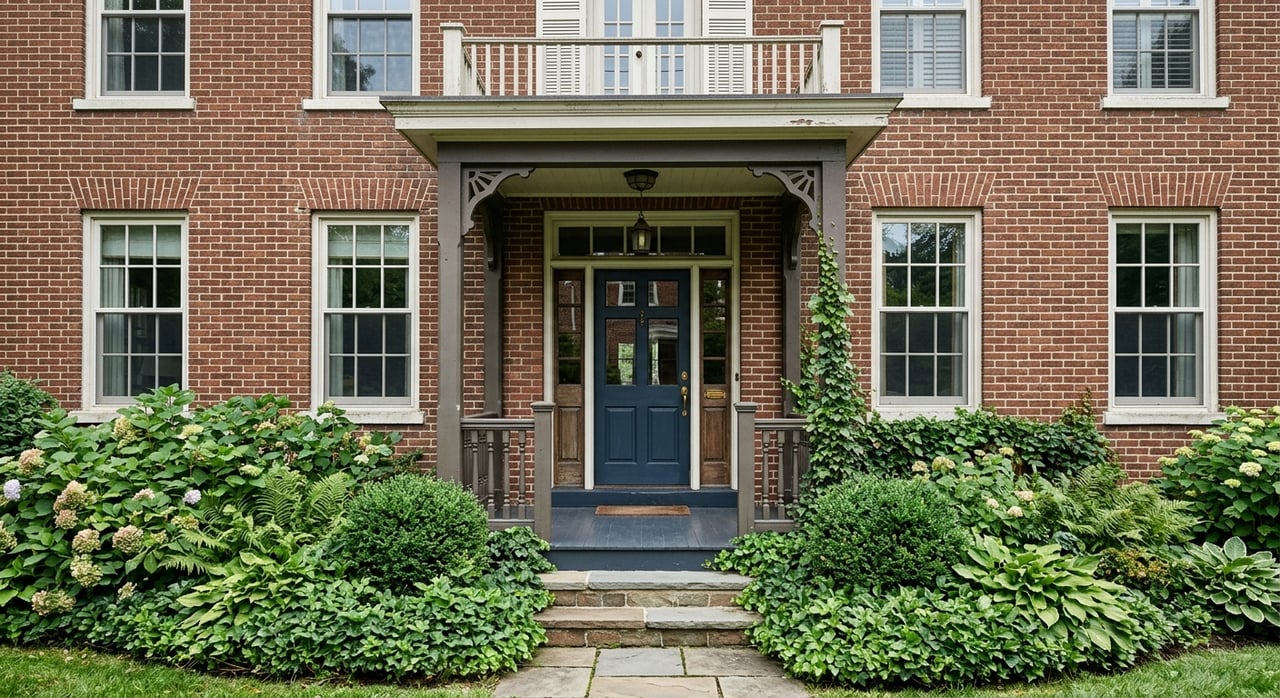
Thinking about buying a historic home in Franklin? It can be an exciting way to own a piece of local character, but it also comes with questions you do not always face with a newer house. If you want charm without surprises, it helps to understand how age, condition, local rules, and renovation plans can affect your decision. Here is what to look at before you buy, so you can move forward with more confidence.
Why Franklin attracts historic-home buyers
Franklin stands out because it is not just another newer subdivision market. The city’s planning documents describe older traditional homes, including homes dating to the 1800s, and note that Victorian mansions line parts of King and Jefferson streets. The community also highlights its older brick homes, walkable areas, and landmarks like the Historic Artcraft Theatre, which helps explain why buyers are often drawn to homes with original character.
If you are house hunting here, you should expect variety. Public and local planning materials point to a mix of older homes, changing streetscapes, and different eras of design rather than one single house style. That means two homes built around the same time may still differ a lot in layout, materials, and updates.
Know the difference between old and historic
One of the biggest things to sort out early is whether a home is simply older or whether it is considered a historic resource. Franklin’s zoning ordinance ties historic buildings and sites to recognized surveys and registers, including the Indiana and National Registers. In practical terms, that status can matter because it may affect exterior review, renovation options, or eligibility for incentives.
This is important if you plan to remodel right away. A house may look like a historic home, but the key question is whether it is identified as a contributing, notable, or outstanding resource. Before you commit, verify zoning and location details through the city’s Beacon GIS map and inspection information.
Watch for Franklin overlay rules
If the home is in Franklin’s downtown historic area, exterior work may be subject to the Downtown Overlay District standards. The city says that district exists to protect the unique character of historic downtown by encouraging the retention and restoration of existing buildings, helping new work fit with older structures, and supporting a pedestrian-friendly environment. You can review those standards in the city’s Downtown Overlay ordinance.
For you as a buyer, that means changes to things like exterior materials, windows, trim, masonry, or visible design details may require more thought than they would on a newer home outside the district. This does not mean you cannot improve the property. It means you should understand the rules before pricing out your project.
Focus on original exterior features
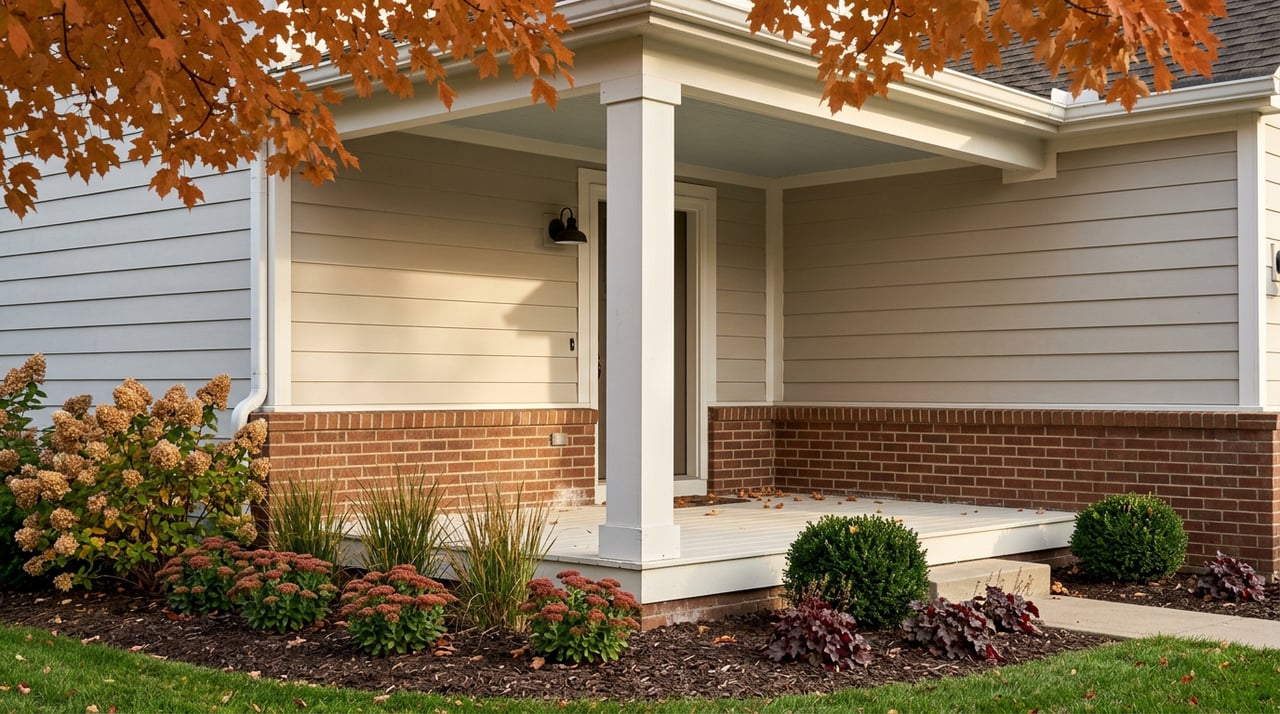
With a historic home, curb appeal is about more than fresh paint and landscaping. In Franklin, local guidance and preservation standards suggest that original windows, masonry, porches, trim, and overall building shape often carry a lot of weight. These details are a major part of the home’s character, and they can also influence repair costs.
That matters when you compare two homes at a similar price. One property may have a nicely updated kitchen, while another may have stronger original exterior details and fewer long-term preservation issues. Looking past cosmetic finishes can help you make a better long-range decision.
Pay close attention to water and deferred maintenance
The National Park Service notes that there is no true maintenance-free solution for historic buildings, and deferred maintenance tends to speed up deterioration. That is why the most important issues are often not flashy ones. They usually involve the building envelope and how well the home handles water.
As you evaluate a property, pay attention to:
- Roof condition
- Gutters and downspouts
- Mortar joints
- Cracks around windows and doors
- Signs of moisture intrusion
- Vegetation growing too close to the house
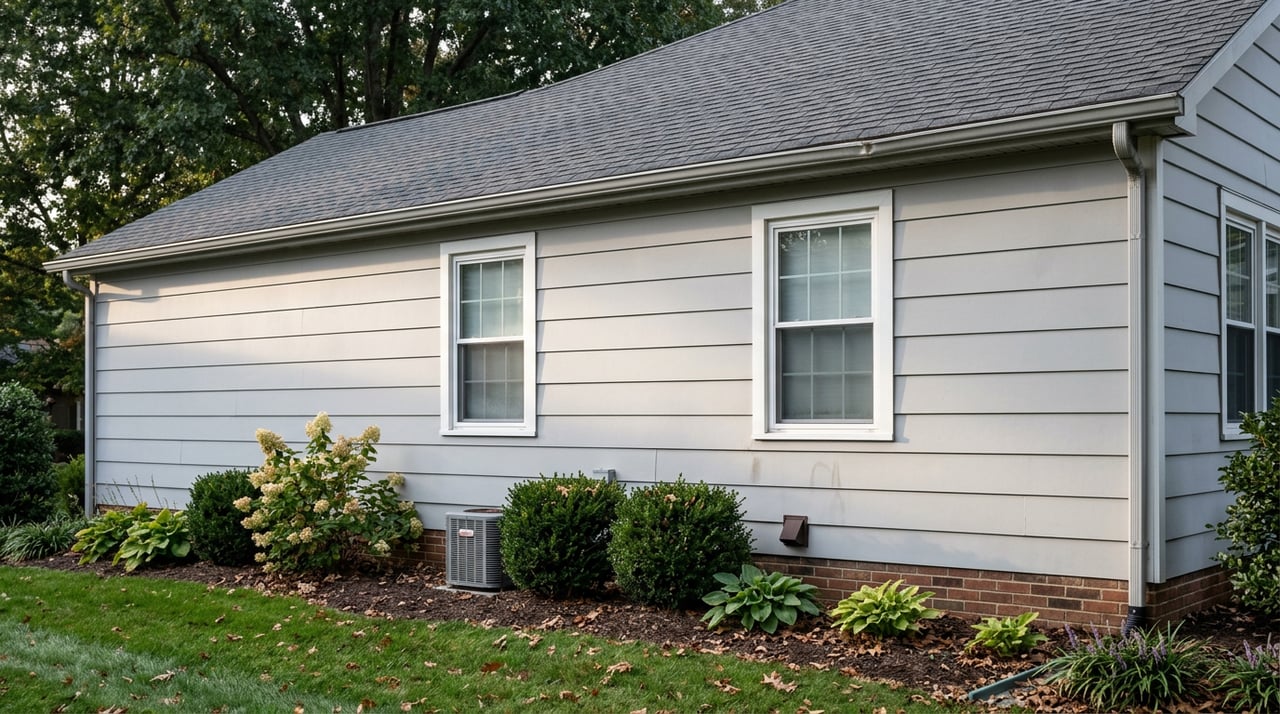
According to the National Park Service, historic houses often leak through missing mortar and cracks around openings, which is why yearly roof checks, clear gutters, and proper drainage matter so much. Their guidance on common water and moisture problems is especially relevant when you are assessing an older home.
Treat windows as a major decision point
Windows are often one of the biggest questions in a historic-home purchase. The National Park Service says historic windows should be repaired when possible because their design and placement are central to a building’s historic character. Replacement is usually more appropriate only when deterioration is too severe to repair, according to its guidance on evaluating historic windows.
For you, that means old windows are not automatically a bad sign. The real issue is condition, not just age. If a seller has already replaced windows, it is worth understanding what was changed and whether the work fits the home’s character, especially if the property falls under local historic standards.
Be careful with masonry repairs
Brick and masonry homes can be beautiful, but repair methods matter. Both the National Park Service and Franklin’s ordinance discourage harsh treatments like sandblasting, high-pressure washing, and synthetic coverings. Their guidance emphasizes matching replacement masonry, using compatible mortar, and fixing the actual source of damage before repair work begins, as outlined in the NPS masonry rehabilitation guidance.
If you notice patched brick, crumbling mortar, or uneven repairs, ask follow-up questions. A low-cost repair done the wrong way can create a much bigger bill later. This is one area where a specialist’s opinion can be especially valuable.
Plan inspections beyond the standard home inspection
A general home inspection is still important, but with a historic home, it should not be your only step. Best practice is to pair that inspection with specialists who understand older roofs, masonry, and windows, since those systems often drive both repair budgets and preservation concerns. The National Park Service also recommends routine inspections and keeping a written maintenance record for historic buildings in its preservation guidance for exterior care.
If you are under contract, this extra due diligence can help you avoid underestimating repair scope. It can also give you a more realistic picture of what work is urgent, what can wait, and what needs to be handled with a preservation-minded approach.
Understand energy updates carefully
Many buyers assume an older home cannot be made more efficient, but that is not necessarily true. The National Park Service notes that historic buildings often already have useful passive features, and efficiency improvements can still be made without stripping out character-defining materials. Their guidance on energy efficiency in historic buildings focuses on reducing air infiltration around windows and doors and improving insulation where it will not damage historic fabric.
That is good news if you love older homes but worry about monthly costs. You may have options, but the right upgrades tend to be more targeted and thoughtful than a one-size-fits-all renovation plan.
Check local process and project timing
If you are planning repairs or updates soon after closing, learn the city process early. Franklin states that building inspections must be scheduled with the Department of Planning and Economic Development at least one business day in advance and no more than five days ahead. That may seem like a small detail, but timing matters when you are coordinating contractors, estimates, or move-in plans.
It is also smart to confirm zoning and district details before finalizing your renovation budget. A quick check up front can save you from making assumptions about what kind of exterior work is straightforward and what may need additional review.
Look into possible incentives
Some buyers are surprised to learn that a qualifying historic home may come with financial incentives. Indiana’s residential historic rehabilitation tax credit is designed for owner-occupied historic houses that meet specific standards. According to the state, the property must be in Indiana, at least 50 years old, owner-occupied as a primary residence, and either individually listed or a contributing resource within a listed district. The work must also comply with the Secretary of the Interior’s Standards.
The credit is capped at the lesser of $10,000 or 20% of qualified rehabilitation expenses, subject to a statewide annual cap. The state encourages owners to apply before work begins, especially when exterior changes or floor plan adjustments are involved. If the home is in the downtown historic area, the city also notes that the Franklin Development Corporation offers incentive financing and grants for qualifying projects that meet downtown standards.
One important note: the federal historic tax credit is different. It applies to income-producing buildings, not owner-occupied homes, according to Indiana’s historic tax credit eligibility guidance.
Keep Franklin market pricing in perspective
When you shop for a historic home, condition and renovation scope can have a major impact on value. Recent public snapshots suggest Franklin remains active, but pricing can look different depending on the source and methodology. For example, Realtor.com’s Franklin market overview reported roughly 190 homes for sale, a median list price of $324,000, median days on market of 56, and a 99% sales-to-list ratio in its January 2026 city overview.
The practical takeaway is simple: list price alone does not tell the whole story with historic homes. The home with the lower asking price may need significantly more work, while the higher-priced home may have better-maintained masonry, roof systems, windows, or exterior details. In this part of the market, smart due diligence matters as much as negotiation.
A practical checklist before you buy
If you are seriously considering a historic home in Franklin, keep this short checklist in mind:
- Verify whether the home is simply older or formally historic
- Confirm whether it is in the Downtown Overlay District
- Review exterior condition closely, especially roof, gutters, windows, and masonry
- Ask about past repairs and whether maintenance records exist
- Bring in specialists for major older-home systems when needed
- Research whether planned renovations may need extra review
- Explore state and local incentives before starting qualified work
- Budget for preventive maintenance, not just cosmetic updates
Buying a historic home in Franklin can be incredibly rewarding if you go in with clear eyes. The charm, setting, and character are real, but so are the responsibilities that come with owning an older property. If you want help evaluating homes in Franklin and making sense of condition, pricing, and next steps, the Jeff Paxson Team is here to help you buy with confidence.
FAQs
What should you inspect first when buying a historic home in Franklin?
- Focus first on the roof, gutters, downspouts, masonry, windows, and any signs of moisture or deferred maintenance, because these issues often drive the biggest repair needs.
What does historic status mean for a Franklin homebuyer?
- It can mean the home is recognized as a historic resource, which may affect exterior renovation review, project planning, and possible eligibility for certain incentives.
What is the Downtown Overlay District in Franklin?
- It is a local district with standards intended to protect the character of Franklin’s historic downtown, and exterior work within it may need to follow specific design rules.
Can you replace windows in a historic home in Franklin?
- Possibly, but repair is generally preferred when feasible because original windows are often an important part of a historic home’s character.
Are there tax credits for restoring a historic home in Franklin?
- Yes, some owner-occupied properties may qualify for Indiana’s residential historic rehabilitation tax credit if the home and project meet state requirements.
Does National Register listing restrict what you can do to your Franklin home?
- National Register listing alone does not create federal restrictions for a private owner, but local ordinances still can apply depending on where the property is located.