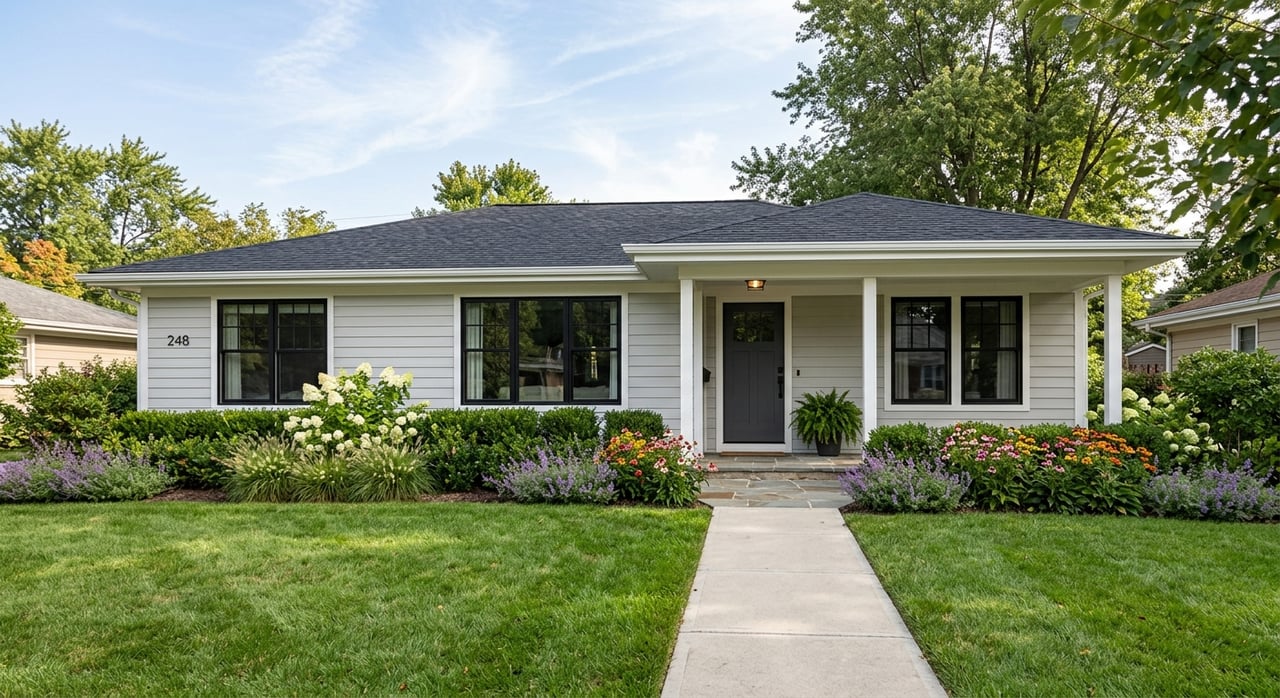
If you are looking at rental or flip opportunities around Indianapolis, the suburbs can offer a wider range of price points and strategies than many buyers expect. Some areas may work better for lower-entry rentals, while others may be better suited for polished resale projects with tighter margins. This guide breaks down what the latest data suggests, where different suburbs fit on the price spectrum, and what to watch before you make an offer. Let’s dive in.
Why Indianapolis Stands Out
Indianapolis is getting national attention for affordability. Zillow ranked Indianapolis as the most buyer-friendly housing market of 2026, citing a typical metro home value of $283,040 and a typical mortgage payment equal to 26.9% of median household income.
For you, that can mean less pressure than in more competitive coastal markets. It does not guarantee a good deal, but it can create more room for negotiation and more opportunities to stick to disciplined numbers.
How to Think About Suburban Potential
Around Indianapolis, the suburbs tend to fall into three broad price bands. Based on the current Zillow data in this report, the southside generally offers lower entry points, the west side sits in the middle, and the north side trends higher.
That matters because price band often shapes strategy. Lower-entry areas may be more forgiving for basic rental math or cosmetic updates, while higher-priced suburbs often depend more on presentation, layout, and resale appeal.
Southside Suburbs for Lower Entry Points
Greenwood at a Glance
Greenwood has a typical home value of $326,491 and an average rent of $1,596, with median days to pending around 29 days. Population growth from 2020 to 2024 was 6.8%.
A practical investor bracket here is roughly the mid-$200,000s to mid-$300,000s. In many cases, that points more toward cosmetic value-add opportunities than major reconstruction projects.
Franklin at a Glance
Franklin comes in at a typical home value of $279,168 and an average rent of $1,739, with median days to pending around 28 days. Population growth from 2020 to 2024 was 3.3%.
That places Franklin among the more accessible suburban options in this group. A practical price bracket is roughly the low-$200,000s to low-$300,000s, which can make it worth a closer look if you want a lower starting point.
Westside Suburbs in the Middle Band
Plainfield, Avon, and Brownsburg
Plainfield shows a typical home value of $331,618 and average rent of $1,709, with median days to pending around 28 days. Population growth from 2020 to 2024 was 9.1%.
Avon has a typical home value of $352,859 and average rent of $1,789, with median days to pending around 28 days. Population growth from 2020 to 2024 was 15.1%.
Brownsburg posts a typical home value of $356,184 and average rent of $1,943, with median days to pending around 29 days. Population growth from 2020 to 2024 was 15.2%.
These suburbs form a practical middle band for investors. In general, they can offer a balance between entry cost and upside, especially if you focus on homes that need updates rather than full rebuild-level work.
Northside Suburbs With Higher Price Tags
Noblesville, Fishers, and Carmel
Noblesville has a typical home value of $389,215 and average rent of $1,716, with median days to pending around 26 days. Population growth from 2020 to 2024 was 7.7%.
Fishers comes in at a typical home value of $441,582 and average rent of $1,794, with median days to pending around 23 days. Population growth from 2020 to 2024 was 5.0%.
Carmel sits at the premium end of this sample, with a typical home value of $563,458 and average rent of $1,815, while median days to pending are around 17 days. Population growth from 2020 to 2024 was 3.9%.
In these higher-price suburbs, the margin often becomes more sensitive to finish level and resale presentation. If you are considering a flip here, details like layout, curb appeal, garage count, and yard usability may matter more.
Quick Comparison by Suburb
| Suburb | Typical Home Value | Average Rent | Median Days to Pending | Practical Investor Bracket |
|---|---|---|---|---|
| Greenwood | $326,491 | $1,596 | 29 | Mid-$200k to mid-$300k |
| Franklin | $279,168 | $1,739 | 28 | Low-$200k to low-$300k |
| Plainfield | $331,618 | $1,709 | 28 | Upper-$200k to mid-$300k |
| Avon | $352,859 | $1,789 | 28 | Low-$300k to low-$400k |
| Brownsburg | $356,184 | $1,943 | 29 | Low-$300k to mid-$400k |
| Noblesville | $389,215 | $1,716 | 26 | Mid-$300k to low-$400k |
| Fishers | $441,582 | $1,794 | 23 | High-$300k to mid-$400k and above |
| Carmel | $563,458 | $1,815 | 17 | Mid-$500k and up |
What the Data Suggests for Rentals
If you are focused on rentals, lower-entry suburbs may offer a simpler starting point. The data in this report suggests that places like Franklin and Greenwood sit at the lower end of the price spectrum, which can make them easier to model for investors who want to keep acquisition costs in check.
That said, you should not rely on averages alone. The deal still needs to work after taxes, insurance, vacancy, maintenance, and any repairs are added to the pro forma.
What the Data Suggests for Flips
For flips, the same suburb can perform very differently depending on the condition of the property and the quality of the renovation plan. In lower- and mid-price suburbs, older ranches or split-level homes with dated finishes may offer more practical cosmetic value-add opportunities.
In higher-priced suburbs, buyers may be more sensitive to presentation. That can make layout, finish choices, and curb appeal much more important to your exit strategy.
Owner-Occupancy and Resale Quality
Census QuickFacts suggests that west and north suburbs such as Avon, Brownsburg, Noblesville, Fishers, and Carmel are generally more owner-occupier heavy, with owner-occupied housing shares above 70% in the latest tables referenced in this report. These areas also show solid population growth in several cases.
For you, that is a practical reminder that resale quality matters. In owner-occupier-heavy areas, clean finishes, functional layouts, and strong presentation may carry more weight in both marketing and final sale price.
Property Taxes Can Change the Math
One of the biggest mistakes investors make is using owner-occupied tax assumptions on a future rental. According to the Indiana Department of Local Government Finance, homesteads are capped at 1% of gross assessed value, other residential and agricultural land at 2%, and other real and personal property at 3%.
That distinction matters because rentals usually fall under the 2% class, and referendum charges can still sit outside the cap. In practical terms, you should model the actual tax bill for the property you are buying, not the homestead tax bill from an owner-occupied comparable sale.
A Smart Deal Screen to Use
Before you get too excited about a listing, it helps to use a basic filter. The most practical targets are often homes with functional layouts, dated finishes, and no major structural or moisture issues.
That usually means looking for properties that need:
- Paint
- Flooring
- Kitchen updates
- Bathroom updates
- Landscaping
It usually does not mean assuming easy profits on homes that need major foundation work, extensive water damage repairs, or full-system replacement unless your numbers leave enough room.
Underwriting Costs You Should Not Skip
Even in active suburban markets, time and carrying costs matter. The report notes median days to pending ranging from 17 to 29 days across this suburb sample, which is a good reminder that you still need room in your budget for delays.
Your underwriting checklist should include:
- Property taxes
- Insurance
- Loan carry
- HOA dues
- Utilities
- Maintenance
- Vacancy
- Repairs
- Management
- Closing costs
If you are planning a flip, also leave space for:
- Inspection-related repairs
- Appraisal delays
- Longer-than-expected resale timing
Final Due Diligence Before You Offer
No matter which suburb you target, the market averages are only a starting point. A deal in Greenwood, Franklin, Brownsburg, or Carmel still has to work on its own numbers.
Before you write an offer, verify the tax bill, HOA documents, insurance quote, permit history, and rent comps for that specific property. If you want local guidance on suburban pricing, resale positioning, or investor-friendly opportunities around Indianapolis, the Jeff Paxson Team can help you evaluate your next move with clear, practical advice.
FAQs
What Indianapolis suburbs may offer lower entry points for rentals?
- Based on the data in this report, Franklin and Greenwood sit at the lower end of the suburban price spectrum, which may make them worth reviewing for lower-entry rental opportunities.
What Indianapolis suburbs may be better for higher-end flips?
- Based on the current price bands in this report, Fishers and Carmel sit in the higher-price tier, where resale presentation, finish quality, and layout may matter more.
Why do Indiana property taxes matter for rental analysis?
- Indiana tax caps differ by property type, and rental properties are typically modeled differently from owner-occupied homesteads, so using the actual property tax bill is important.
What should you verify before buying an investment property near Indianapolis?
- You should verify the property-specific tax bill, HOA documents, insurance quote, permit history, and rent comps before making an offer.
How fast are homes moving in Indianapolis-area suburbs?
- In the suburb sample from this report, median days to pending range from 17 to 29 days, depending on the market.