Are you watching listings in Hill Valley and wondering what the Days on Market number really tells you? You are not alone. DOM can feel like a mystery, but it is a powerful signal when you know how to read it. In this guide, you will learn what DOM means, why it changes, and how to use it to time your move, price right, and negotiate with confidence in Marion.
Let’s dive in.
What Days on Market means
Days on Market, or DOM, is the count of days a property is publicly listed as active until it goes under contract. It is a snapshot of buyer interest and how well a home’s price and presentation match the local market.
- Short DOM often signals strong demand or spot-on pricing and marketing.
- Longer DOM can point to overpricing, condition challenges, or limited exposure.
- The first 7 to 14 days are critical because most showings and offers typically happen during that window.
DOM vs CDOM and relists
There are two ways to track time on market:
- DOM is the current listing’s clock from active status to contract.
- Cumulative DOM, or CDOM, adds up time across relists and withdrawals. If a home goes off the market and returns, CDOM shows the full picture.
Relisting can reset the visible DOM on some consumer sites. CDOM in the local MLS still reflects the full availability period, which is why buyers and sellers should look at both when possible.
How DOM works in Hill Valley and Marion
Hill Valley is a local neighborhood within Marion, and DOM can vary block by block. If Hill Valley is not defined as its own area in the MLS, you or your agent can use the nearest MLS-defined neighborhood or ZIP code 46952 as a proxy. Always compare apples to apples by looking at similar homes, price ranges, and micro-areas.
DOM is influenced by small-city dynamics common across Grant County. A single new subdivision, a cluster of expired listings, or a shift in investor activity can move averages in a noticeable way. That is why neighborhood-level context matters more than citywide headlines.
What drives DOM in Hill Valley
Pricing relative to comps
Price is the strongest driver. If a home is priced above recent comparable sales without clear justification, DOM tends to climb. When pricing aligns with recent solds and the home’s condition, time to contract typically shortens.
Property condition and presentation
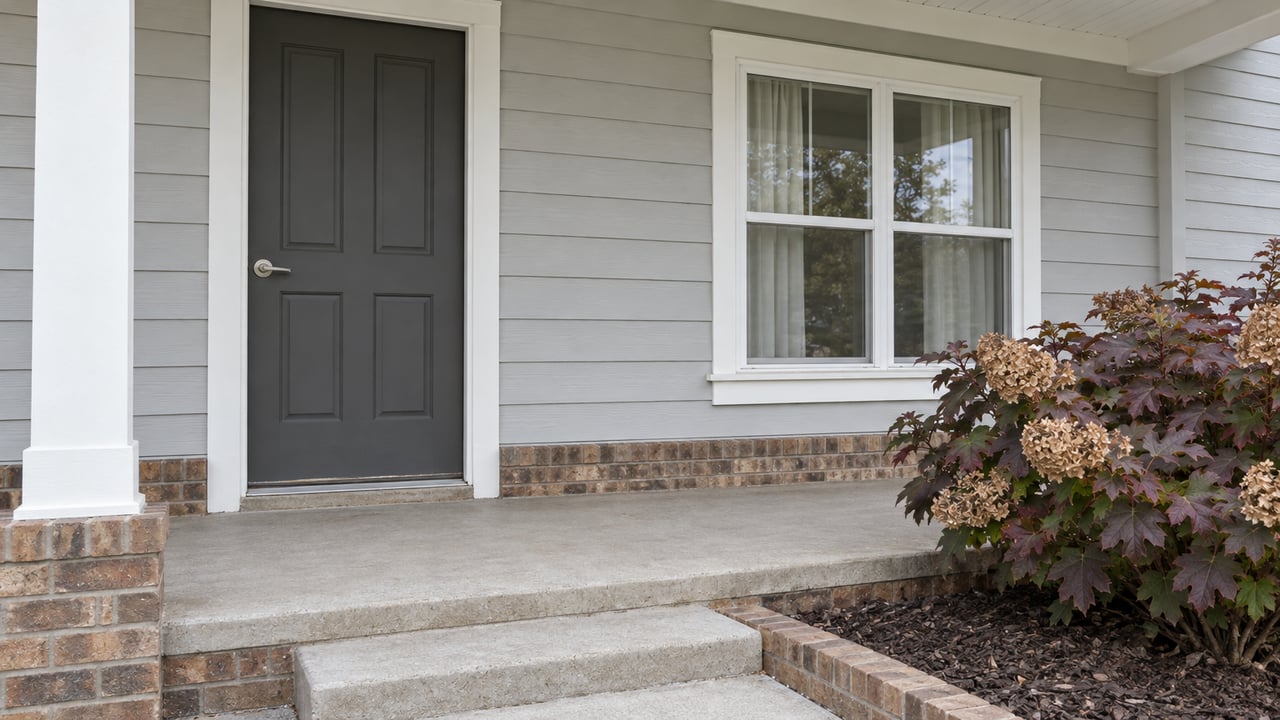
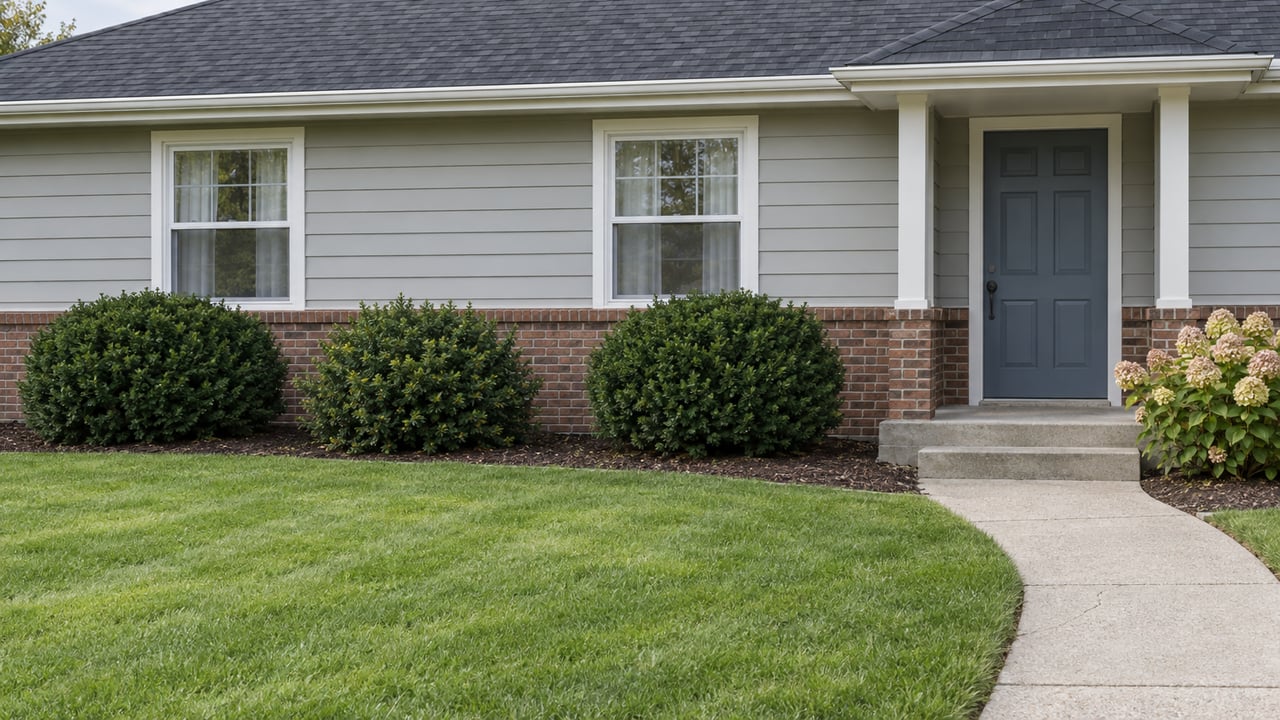
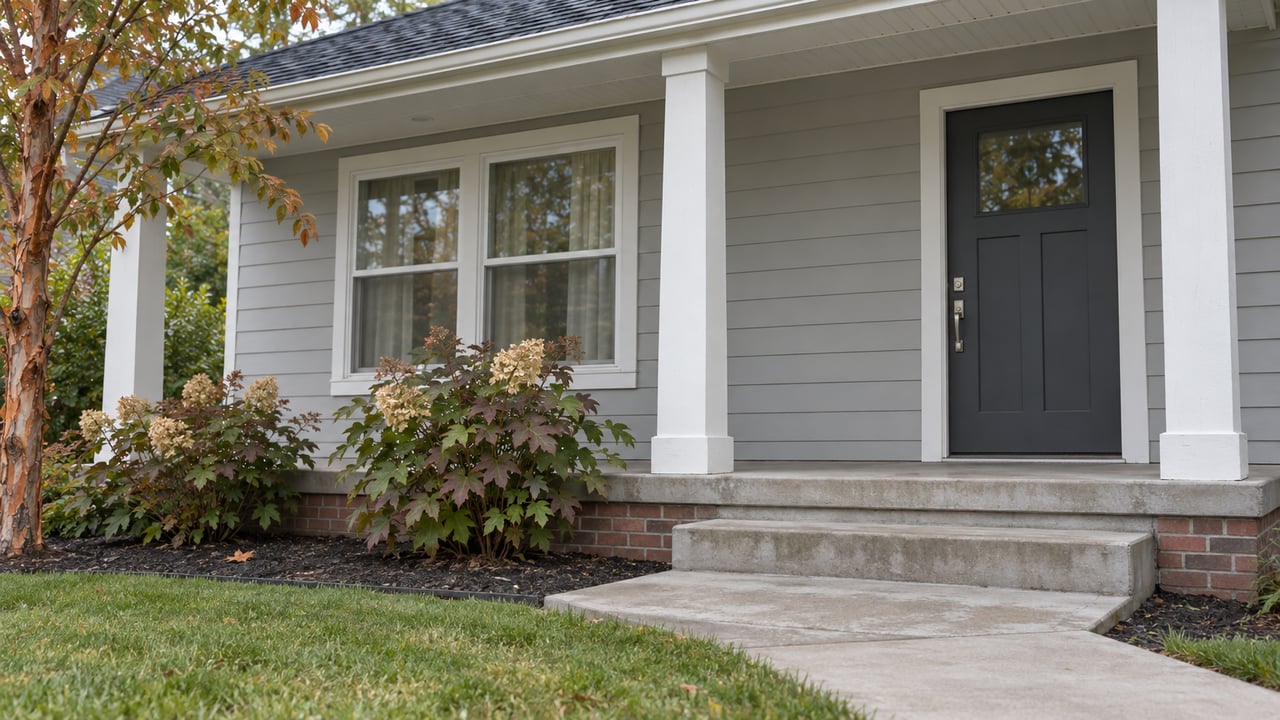
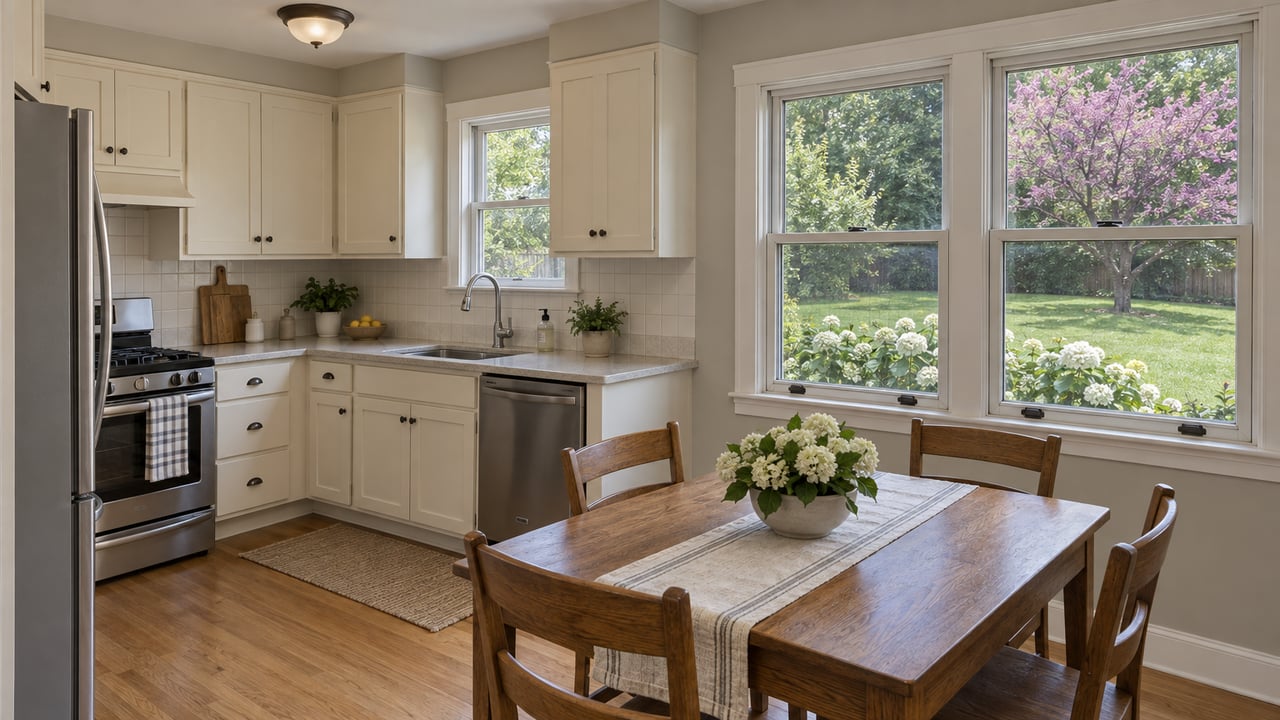
Deferred maintenance, dated finishes, or limited access can slow activity. Small updates often have an outsized impact. Fresh paint, landscaping, bright lighting, and a clean, staged look can boost first-week traffic and shorten DOM.
Marketing and exposure
Quality photography, accurate descriptions, virtual tours, and broad MLS syndication matter. The more well-presented exposure you create in the first two weeks, the better your chance to capture motivated buyers before they choose other options.
Inventory and absorption
When inventory is tight, DOM usually falls and multiple offers become more common. As months-of-supply rise, buyers have more choices and DOM stretches. In a smaller market like Marion, even a modest change in active listings can impact pace.
Seasonality in Marion
Midwest seasonality is real. Spring often draws the largest buyer pool and faster sales. Late fall and winter tend to be slower, which lengthens DOM and may increase negotiation room. Local school calendars and community events also shift buyer timing.
Local due diligence factors
Lot-level considerations like flood zones, septic versus sewer, and proximity to downtown Marion can affect demand and DOM. Neutral, verified facts help you understand pace without guessing about reputation or hearsay.
Why DOM matters to sellers
DOM helps you measure whether your pricing and marketing hit the mark. Short DOM relative to similar homes often signals alignment with buyer expectations. Extended DOM is a nudge to review price, presentation, and access.
The first 14 days for sellers
Your launch matters. Treat week one like opening night.
- Price strategically based on the latest sold comps and your home’s condition.
- Maximize presentation with professional photos, a staging consultation, and tidy landscaping.
- Offer easy showing access. More showings in week one lead to quicker, stronger offers.
- Watch feedback. If you are not getting showings or second-showing interest by day 10, consider an early adjustment.
If DOM rises above the local norm
When a listing outpaces comparable DOM, take a structured approach.
- Review showings, feedback themes, and photos. Refresh what buyers see first.
- Adjust price if comps and feedback support it. Target one meaningful move rather than multiple small cuts.
- Improve access and features that blocked earlier buyers. Simple fixes can re-energize interest.
- Understand the CDOM story before relisting. A reset on consumer sites does not change what agents see in the MLS.
Why DOM matters to buyers
DOM helps you judge competition and leverage. Short DOM plus strong traffic signals a competitive lane where clean, timely offers win. Long DOM can open the door to negotiation, but you still need to understand why the home has not sold yet.
Reading buyer signals from DOM
- Low DOM with weekend showing buzz suggests speed and strong terms. Consider pre-approval letters and fewer contingencies if the home fits your plan.
- High DOM with price reductions may indicate a motivated seller or a condition issue. Ask the listing agent about showings, feedback, and any prior contract.
- Relists with low visible DOM but high CDOM tell you the home has been available longer than it appears. Use that context to tailor your offer.
How to analyze DOM locally
Use a simple, repeatable process to keep your read accurate:
- Pull neighborhood-level comps. If Hill Valley is not defined in the MLS, use the closest MLS neighborhood or ZIP 46952 and filter by similar home type and price band.
- Compare median time to contract over the last 3 months with the same period last year. Look for clear acceleration or slowdown.
- Check price history. Note days to first price reduction and the size of any reductions.
- Review list-to-sale price patterns and whether multiple offers were common in recent sales.
- Measure active inventory and absorption to estimate months-of-supply. Translate that into buyer or seller advantage.
- Verify CDOM for any home you are serious about, along with relist or withdrawn history.
Offer strategy by DOM signal
In a low-DOM, seller-favored lane
- Be ready on day one with a strong pre-approval.
- Keep contingencies necessary but tight on timelines.
- Consider an escalation clause and a meaningful earnest money deposit.
- Focus on clean terms that make your offer easy to accept.
In a high-DOM, buyer-favored lane
- Structure protections such as inspection contingencies and appraisal language that fits your lender.
- If comps support it, consider offering below list or request seller-paid closing costs.
- Ask detailed questions about prior offers, feedback, and repairs to shape your terms.
Price reductions and the stale-listing effect
Successive price reductions without renewed traction can create a wait-and-see mindset among buyers. If you are selling, weigh the cost of deeper cuts against targeted improvements that fix the objections you are hearing. Sometimes a sharper price wins. Other times, a light refresh and improved photos bring back momentum.
Illustrative examples
These examples are for illustration only. For real-time numbers, pull the latest MLS data.
- Fast-moving lane: The 30-day average DOM is lower than the city average, and recent sales closed near list price. Expect competition and plan for a swift, clean offer.
- Stale or price-sensitive lane: A home has 90-plus days on market with two price reductions and is now below the neighborhood median. Confirm condition and history, then consider a protected offer with room to negotiate.
Seller checklist to reduce DOM
- Set price using fresh sold comps for Hill Valley or ZIP 46952.
- Complete simple updates with strong ROI: paint, lighting, landscaping, hardware.
- Stage thoughtfully and use professional photography.
- Offer flexible showing windows, especially in the first two weeks.
- Review feedback daily and be ready for an early, decisive price adjustment if needed.
Buyer checklist to use DOM
- Verify MLS DOM and CDOM, not just what consumer sites display.
- Ask the listing agent about showings, offers, and any withdrawn or relist history.
- Match your offer speed and terms to the DOM signal.
- In slower conditions, use inspection and financing protections wisely.
- Keep your pre-approval current so you can act fast when the right home appears.
How the right marketing shortens DOM
Exposure and presentation drive first-week momentum. Professional photos, accurate listing details, staging guidance, and broad MLS syndication create early demand. In a small market, that early wave is often the difference between multiple offers and slow drip showings.
If you are selling in Hill Valley, pair realistic pricing with a high-impact launch. Focus your strongest marketing in days 1 to 14, measure showings and inquiries, and make adjustments quickly if the plan is not converting.
Getting local, real-time numbers
Neighborhood micro-trends beat citywide averages. Ask your agent for a 12-month rolling DOM report for Hill Valley or the nearest MLS-defined area, broken out by price band. Add median time to contract for the last 3 months, price-reduction patterns, list-to-sale ratios, and the share of homes with CDOM over 90 or 180 days. With that picture, you will know whether your next step is to move quickly or negotiate patiently.
Ready to read the signal and act with confidence in Hill Valley? The right strategy is simple: price and present for the first two weeks if you are selling, and align your offer terms with the DOM lane if you are buying.
For clear pricing, polished marketing, and local guidance that helps you move at the right pace, talk to the Jeff Paxson Team. Save with a transparent 4.5 percent listing structure and get premium photography, staging consultation, and full MLS and portal exposure. Get your Free Home Valuation and launch with momentum.
FAQs
What does Days on Market mean in Marion, IN?
- Days on Market is the count of days a home is listed as active until it goes under contract, used to gauge demand and pricing alignment for Marion properties.
How should Hill Valley sellers use DOM in the first two weeks?
- Treat days 1 to 14 as mission critical by pricing to comps, using professional photos and staging, allowing flexible showings, and adjusting early if traffic is weak.
How can Hill Valley buyers use high DOM to negotiate?
- When DOM is high and price reductions are visible, ask about history and condition, then consider offering below list with appropriate contingencies if comps support it.
What is the difference between DOM and CDOM for Marion homes?
- DOM tracks the current listing, while CDOM totals time across relists and withdrawals, giving a fuller timeline that may differ from consumer site displays.
Does seasonality affect DOM in Marion and Grant County?
- Yes, spring typically brings faster sales and shorter DOM, while late fall and winter slow activity and often lengthen time on market.
What marketing steps can reduce DOM for Hill Valley listings?
- Professional photography, accurate descriptions, staging guidance, broad MLS syndication, and a focused first 14-day launch usually lead to faster offers.